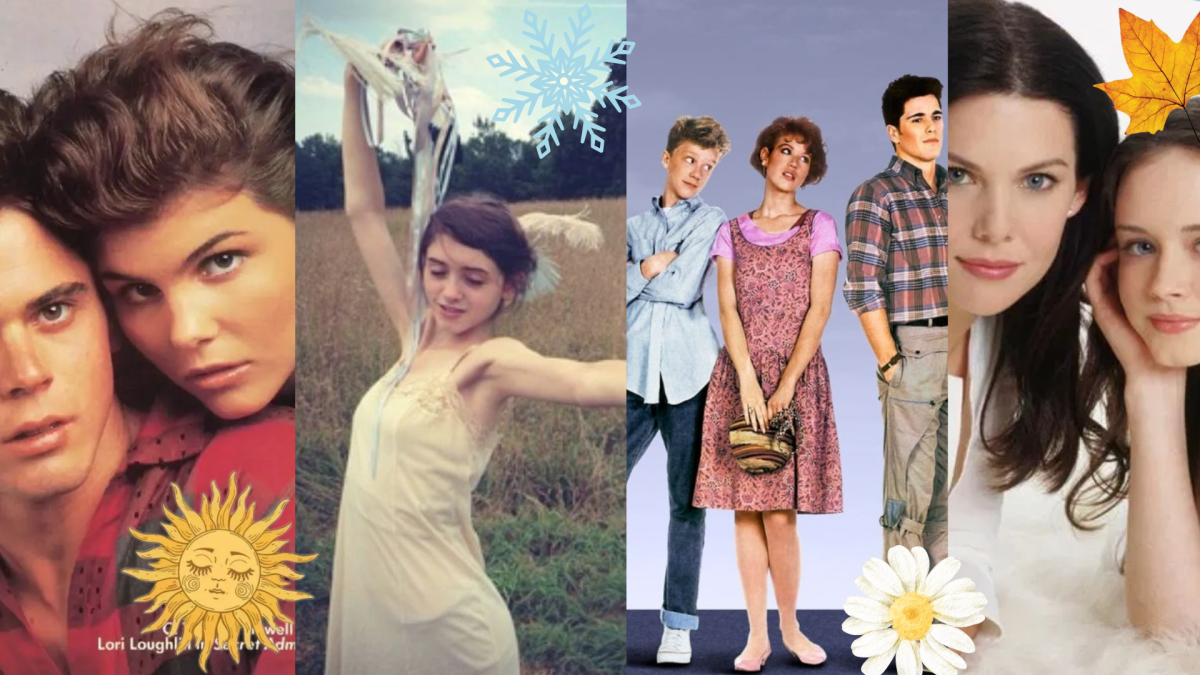
Would a romantic comedy hit differently in winter? Would a mystery drama feel as thrilling in the summer? Maybe it would— or maybe the timing just wouldn’t feel right. Immersing yourself in the art of cinema can be easy, but with the right place, time, and season, a film can feel ten times more captivating. Many viewers rely on holiday spirit or physical surroundings to shape the movies they choose. So, how do the seasons really shape the movies we crave?
Contrast in movies and emotions doesn’t only translate through watching a movie— it also plays a role for filmmakers. Video Teacher Mr. Waage offers insight into how the connection between season and storytelling is no coincidence. “Usually people launch a movie with a date in mind because they feel like that’s going to be the best time of year for their particular story.” According to Waage, winter allows people to embrace the unknown. With the sun setting earlier and darkness lasting longer, there is more left unseen, drawing audiences into mystery.
Summer, on the other hand, represents freedom. “It’s when you get to go outside, you don’t have school, and you just get to enjoy life,” Waage said. “The season is so oriented around going out and exploring the world.”

Freshman Azul Calderon prefers movies that match the calm atmosphere of winter. “I definitely go full-on emotional in the winter,” Calderon said. She is drawn to films that explore real-life situations and characters overcoming struggle. Calderon explained that her mood strongly impacts the way she watches movies. “I don’t think that if I felt sad enough, I would be watching a happy movie. I would choose something that would fit the emotion I’m feeling so I can feel more comforted.” She added that watching a fall/winter movie encourages imagination and deeper focus, giving a better perspective on a film’s message. She even leaves us with her favorite winter comfort movie, I believe in Unicorns, which she says resonates with her personally.
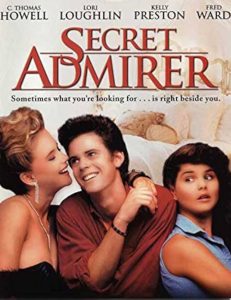
For Freshmen Teagan Conyers, summer calls for a completely different movie experience. “I’d lean more towards teen dramas in the summer than winter,” Conyers said. “When you think of winter, you think of Christmas movies or dramas.” Conyers also explained how certain genres feel labeled to summer, “Personally, I like 1980s movies because they blend into the summer. That’s when blockbusters would come out, and everybody would be like, ‘Oh, that’s a summer movie.'” Action, Sci-fi, fantasy, and superhero films are often released during the summer, showcasing big-budget productions that dominate the Hollywood scene. One of Conyers’ favorite summer movies is Secret Admirer, an ’80s romantic comedy that captures the high-energy and adventurous feeling of teen love she associates with the season.
Across different perspectives, one thing remains clear: seasons influence more than just daily activities—they shape how movies are experienced. Whether it’s a heartfelt romance watched on a winter night or an action-packed thriller enjoyed in the summer, timing can elevate a film’s impact. In the end, the season doesn’t just change the weather, it changes the way stories are felt.