For years, Cabaret has been praised as a powerful, politically charged musical in the theater arts, warning audiences about the dangers of silence and apathy. Yet its recent commercial flop and financial losses suggest that, despite its importance, the show’s message may no longer be connecting with modern and future audiences.

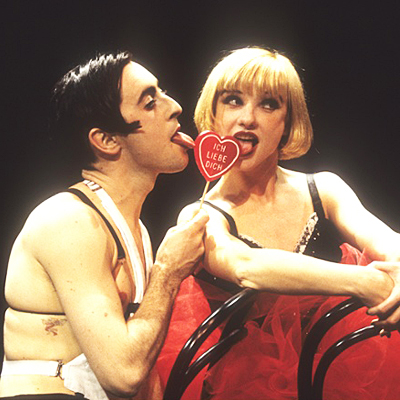
The 1966 musical Cabaret takes place in 1930s Berlin during the decline of the Weimar Republic and the rise of the Nazi Party. Centered on the Kit Kat Club, the show is narrated by the Emcee and follows an American writer and a British performer as political tension grows in the background. The show experienced a major comeback in 1998, when performances by Alan Cumming and Natasha Richardson helped redefine Cabaret with a darker, more definitive adaptation based on the 1993 London production.
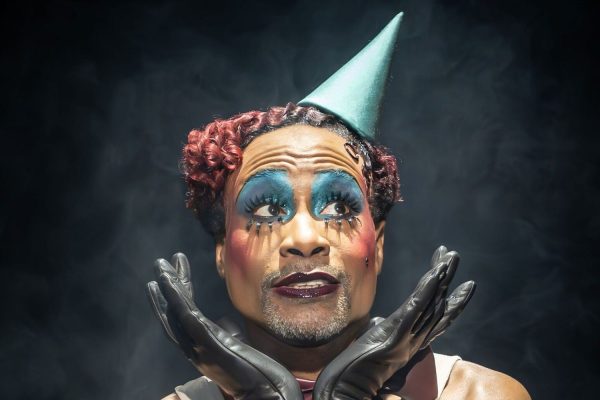
In recent years, Cabaret has been staged frequently, but its 2024-25 revival saw a significant decline, resulting in a $25 million loss. “I think they put so much effort into the spectacle instead of focusing on the story and the show,” said teacher Mrs. Kocalis. With Broadway being a major attraction, producers often build from the outside in, making productions visually impressive while losing sight of what is actually important. Kocalis also stated that performance tone may have affected the audience’s reactions, “I heard through the grapevine that Billy Porter was not really being authentic to the role. I heard that he was laughing and allowing the audience to laugh at things that were anti-semitic.” According to Kocalis, this approach caused Porter to lose respect for the story he was trying to tell, making some audiences dislike his portrayal of the Emcee.
Junior Abigail Lawrence explained that the Emcee should be funny but gradually become serious over the course of the show. “It’s supposed to be funny, but it’s supposed to be dramatic. He’s supposed to be funny in a way that he’s not laughing at himself, but instead the audience is laughing at him,” Lawrence said. “Eventually they’ll stop laughing because the things he’s doing are serious and they matter.”
Lawrence expanded on this idea, explaining that casting only humorous performers does not work the same way, as it can lead to poor reviews and a declining audience. She also emphasized that modern revivals must acknowledge issues audiences face today. “It should try to reflect the same way it reflected what was happening then, like now with Iran and Israel and everything else, because that’s where the problem has shifted,” Lawrence said. “And so our art needs to shift with it, and when it doesn’t, it comes off as in poor taste. Art is how you reach people in ways that you can’t do through talking to them.”
Despite its importance, Cabaret struggles to fully connect with modern audiences. Kocalis said, “People don’t want to see themselves as being on the wrong side. We are so used to echo chambers that when you go to a show thinking it’s going to be fun and then all of a sudden it’s lumping you in with things that are super hard to swallow.” Many expect entertainment instead of reality, which can make the show’s message hard to accept. However, this discomfort is exactly why Cabaret remains important. The musical pushes audiences to recognize similar problems in the present, turning a historical story into a modern warning.