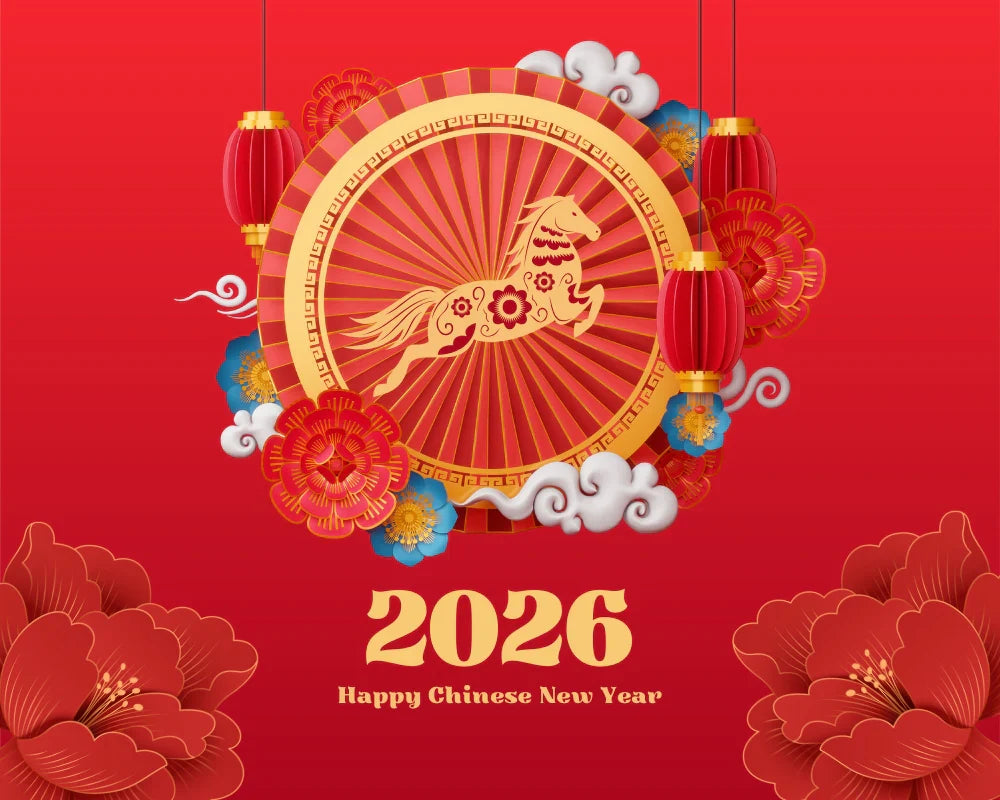
Chinese New Year, this year falling on February 17th, celebrates and honors family traditions and ancestors over 15 days and brings good luck for the upcoming year.
Chinese New Year, also known as the Lunar New Year, is the most important traditional holiday in China and in neighboring Asian countries such as Taiwan, Singapore, Korea, Vietnam, and many more. Many families celebrate by having a New Year’s Eve dinner with dishes such as fish, dumplings, and noodles, each with its own symbolic meaning. Fish represents prosperity, dumplings represent wealth, and noodles represent long life — all that is essential for a successful New Year. Asian Association President, Senior Jocelyn River, added that a “Chinese New Year tradition that I always do with my family is to eat hotpot!” Hotpot is a traditional dish that combines all of these dishes into a steaming spicy soup. Many clean their house before New Year’s Day to signify a fresh start; no cleaning is done on New Year’s Day to avoid “sweeping away” good fortune.
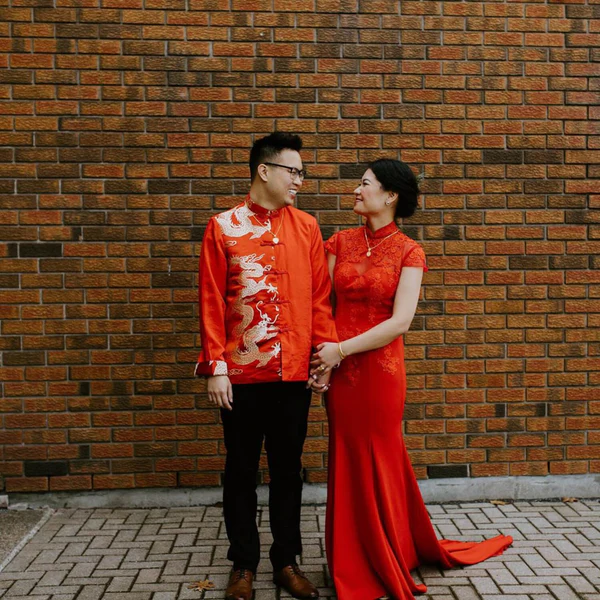
Some traditions for the Chinese New Year include decorating and dressing in red, which symbolizes good luck and happiness. Many women wear a Qipao — a traditional dress — and men wear a Tangzhaug (Tang Suit), which is a traditional jacket. These garments are also popular for bringing good luck into the New Year. Hongbao (red envelopes) are given.
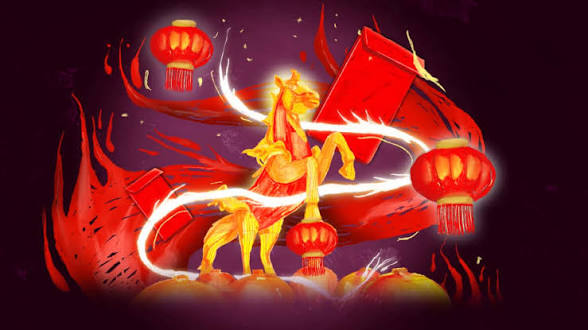
After the New Year’s Eve dinner, the elders of the family give envelopes to children and unmarried relatives in the hopes of health, good fortune, and happiness for the upcoming year. Hongbaos are not just about the money received; it’s about the blessings given to one another.
Every year, there is a distinct zodiac sign that represents each year. It is a twelve-year cycle, and this year represents the Fire Horse, which symbolizes ambition, boldness, passion, and strong willingness for the upcoming year. The Fire Horse’s intense energy calls for taking initiative in challenging situations, and this year is particularly rare because it only occurs every sixty years.
Many Saints — although not in Asia — still celebrate this holiday to honor tradition and luck. Junior Justin Tai says that “Chinese New Year’s signifies a new year of luck and prosperity. I was grateful enough to receive an abundant amount of red envelopes this year, but the most impractical part was to be able to spend them with my family.” These traditions show the importance of family during these festive holidays, and that it is more than material things; it is about the traditions and memories you make along the way.