Artificial intelligence is changing the world of art faster than we could have imagined. With just a few words, AI can generate paintings, music, and digital images. Some people believe this to be a technological breakthrough, while others believe it raises serious concerns about creativity. The real question unfolds when machines can do the work for us: what will happen to the people who dedicate their lives to making art?
“Honestly, if you are helping to visualize a project, that’s one thing,” Art Teacher Mr. Black said. In contrast to many of its cons, AI can provide easily available and efficient help for contemplation. A certain confidence that gives a person the passion to continue doing what they want most can often bring disparity to those who believe a computer can do the work just as well. Nonetheless, what would be art without the artist?
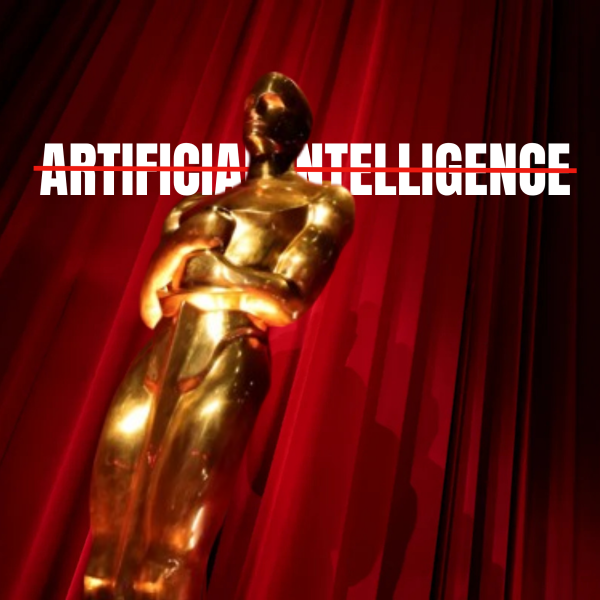
Freshman Abby Rubio goes into the involvement in AI in recent matters, “One time I was scrolling, and I saw someone talking about this new rule that the Oscars made where only human-created work is eligible for top awards.” As AI advances, it’s not hard to see how it could affect the jobs of filmmakers and actors, especially people trying to replace actors with AI. “I heard about this AI actor making a lot of money, and it’s like, why would you do that? AI can’t convey emotions the way humans can,” Rubio mentioned.
A rise in AI artists making music isn’t unfamiliar either. People tend to indulge in songs because they’re made by another person who relates to their soul. “It’s ruining the fun of making music. Music is supposed to make you feel a certain way and not whether you’re number one on Billboard,” Rubio concluded.
Teacher Mrs. Bailey mentions an interesting topic about Mike Winklemann, an AI artist who created the AI installation “Regular Animals,” a project about robotic dogs with billionaires’ heads that create and print AI-generated art. “His point is that the tech designers take our reality and they’re processing it and they’re giving it back to us in ways that we don’t notice, and he finds that problematic,” Bailey stated. Winklemann’s concept draws attention to something he observes in the world and presents it in technological terms.
Bailey explains, “The point of art is that we would be able to express what it means to be human the way that we see the world in different, interesting ways.” Creation is how people express themselves, which gives others a collective human experience to view, and the struggle to do so may be more beautiful than the final product.
Flawless accuracy in a drawing could never demonstrate the rapture of human-made art. “Human art has layers; areas that are imperfect actually make a piece interesting,” Black explained. The computer displays the result of an indescribable process of toil that a human would go through to express themselves. AI may be able to provide ideas and help the world, but there’s too much passion to replace the art that creates humanity. In other words, “It’s almost like the painting, drawing, or the work of art is merely the evidence of our journey,” – Mr. Black.