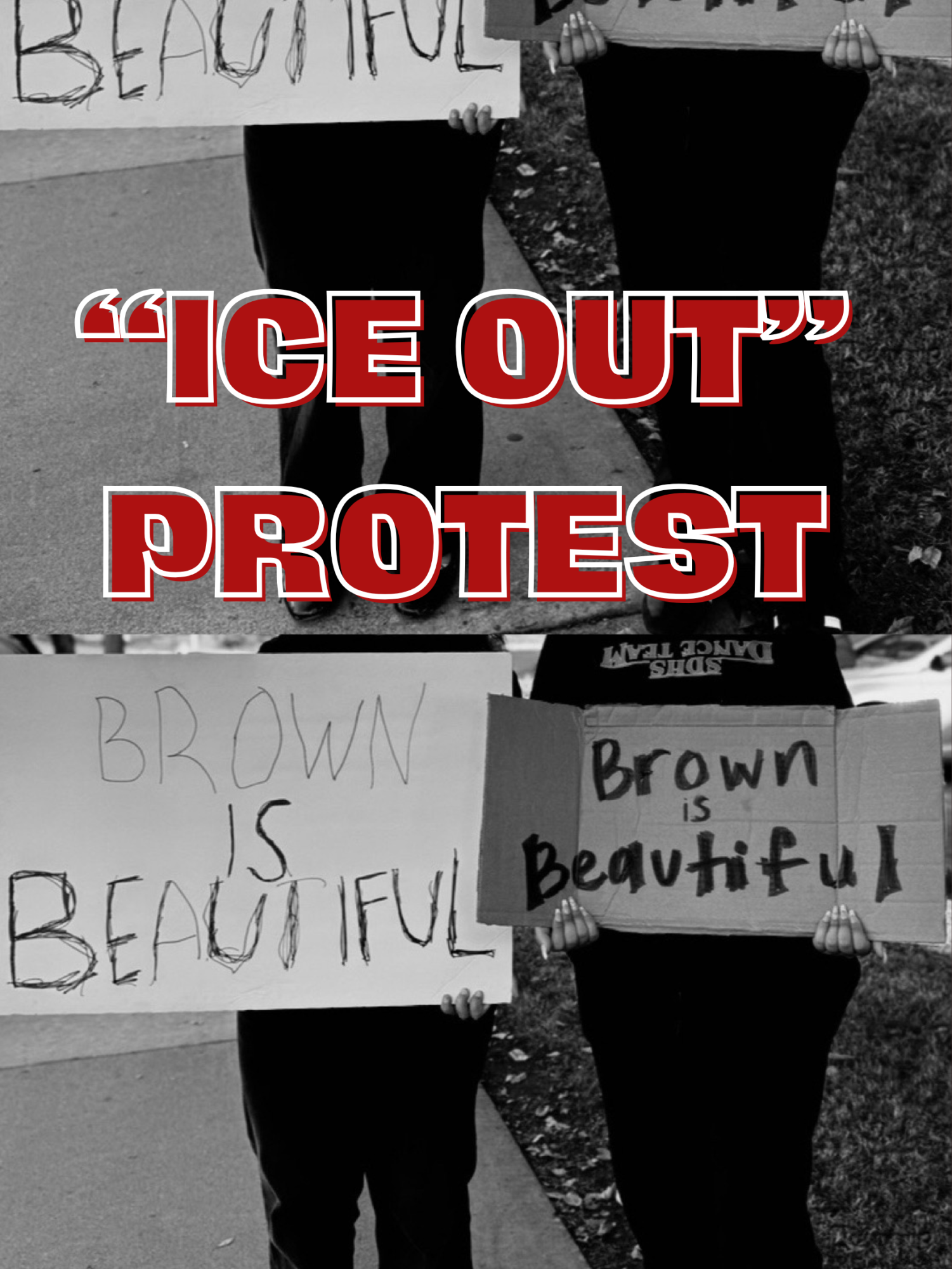
The “National Shutdown” or “ICE Out” took place on January 30, 2026. The sole purpose of this protest was in opposition to the federal Immigration and Customs Enforcement (ICE) operations and the Trump administration’s mass deportations. San Dimas High School was one of many schools across the country to participate in student-led protests aimed at making change. From fourth period until lunch, many students left class carrying signs and posters as they walked through the city of San Dimas.
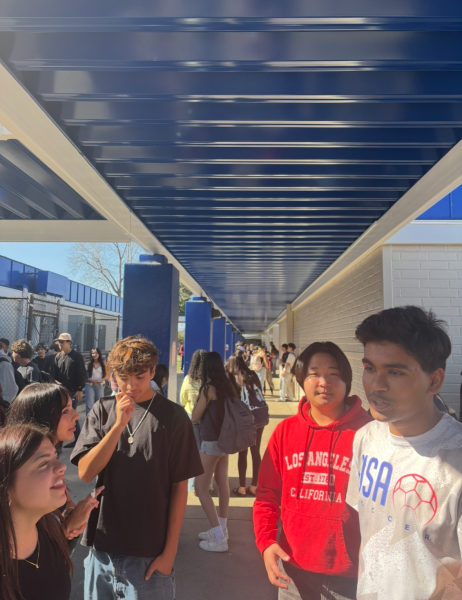
During passing periods, crowds of students filled the halls, leaving classes empty as the demonstration became a campus-wide event. Principal Mayen later went on the intercom, asking students to return to their classrooms and attempting to halt the protests. The walkout sparked mixed reactions from both students and faculty. It left some supporting the protests, while others viewed it as ineffective, claiming that there are other ways for students’ voices to be heard. This day showed how a national movement impacted the school’s campus and uncovered opinions on both sides of the issue.
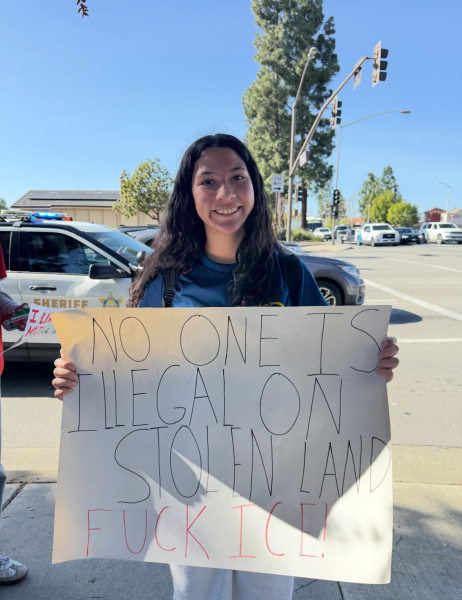
Junior Emily Corona is one of the many students who participated in the “ICE OUT” protest. Corona started a youth-led nonprofit last year, “Manos Unidas”, which supports immigrant families at risk of deportation. She explains that she couldn’t stay silent after seeing so many families living in fear.
Corona walked out to stand in solidarity with her family, classmates, and the people in her community who are affected by the ICE raids and deportation. It reminded her that she isn’t alone in caring about this issue. The junior states, “As high school students, we may be young, but our voices still matter. By standing together, we showed that we are paying attention and that we demand change. On top of that, we need accountability in our country as well.”
Senior Jacob Pardus explains that it’s special to have a community that uses its voices and stands up for its beliefs. However, he believes there are other, less controversial ways to protest.
Pardus proposes being open-minded and engaging in discussions with those you disagree with to gain understanding. The senior states, “There are clubs like Foundations of Leadership and Club America that help mediate these difficult conversations, and it’s a great way to not only share your views but to be understood.”
Mr. Sill, an English teacher at San Dimas, has strong beliefs about the practice of protesting. Sill believes that practicing protests at school is an opportunity for students to develop their voices and perspectives on reality; however, it’s important to practice them constructively.
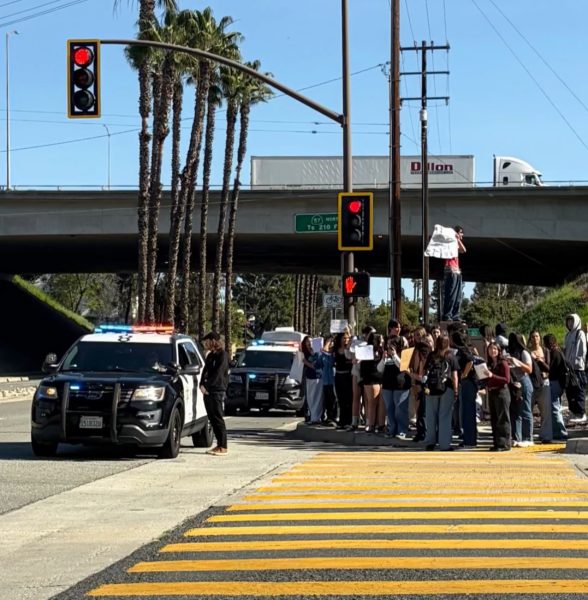
He explains, “It shows us what American civil disobedience thinkers, such as Martin Luther King Jr. and Thoreau Emerson, believed. That if a law is unjust, then it’s your duty to disobey that law.” He further explains that breaking rules is an important part of protest because rules constitute authority. We can obtain authority by gaining attention.
Junior Natalie Corona is another student who participated in the protest. Corona explains that students approached the protest with grace and kindness rather than aggression, stating, “the only thing more powerful than hate is love.” When being asked if the walkout made an impact, the junior states, “Honestly, yes and no, it showed that students in this generation aren’t afraid to speak up and be loud. As a wide-scale impact, no ICE is still extremely overpowering, and people aren’t being heard loud enough.”
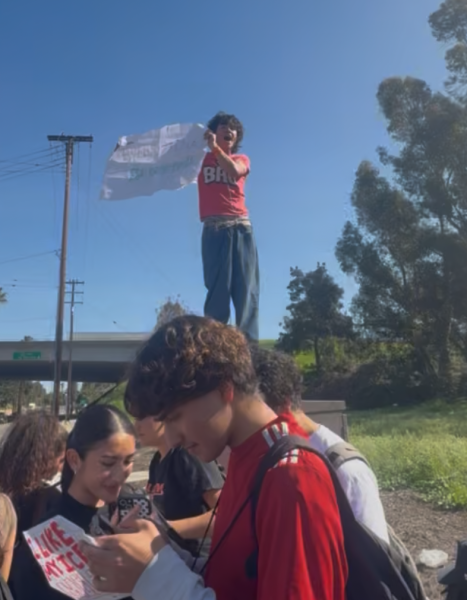
Junior Sarah Pfonner believes that school walkouts can be effective, as long as they are respectful and students honor the trust the school has placed in them when leaving the campus. She further explains, “I strongly support our First Amendment right to free speech. If that includes participating in a walkout, then I am all for it as long as students remain respectful.”
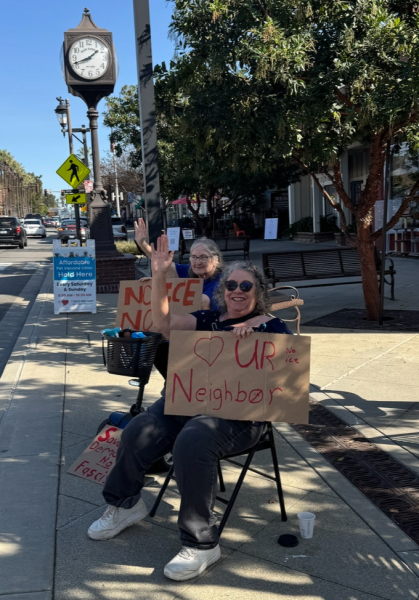
Pfonner continues, “I love to see our generation standing up for what they believe in as long as they aren’t putting down opposing opinions and are willing to listen to others.” The junior affirms that when individuals use their rights respectfully, it shows maturity and can lead to real change.
Mr. Hanson, a history teacher here at San Dimas, elaborates on his opinions towards the protest that occurred. Hanson explains that students might have been protesting for the wrong motivation and viewed this as an opportunity to recklessly disobey the rules. However, he chooses to believe that most students participating in the protesting, were acting on firm beliefs. Hanson affirms that when it comes to student protests, organization should be a key factor in the event. The teacher ultimately hopes that in the future, students can effectively devise a plan and be in communication with the administration before planning a protest again.
The walkout resulted in increased discussion across campus in the days that followed. Teachers addressed the topic in classrooms, while students continued conversations with peers, and administrators reflected on how to handle future protests. While the event did not immediately change national policy, it created a space for open dialogue among students within the school community. Ultimately, it highlighted how national issues can influence high school campuses and carry ongoing civil discussion.