
As the new school year began, new faces also appeared as many Chinese international students arrived at San Dimas High School, offering insights into how Asian schools differ from those in the U.S. and demonstrating the various types of education across the globe. These students have undergone drastic changes in how they must perform academically and socially, which emphasizes the contrast between cultural expectations and classroom behavior.
This addition to the student body increases the school headcount and shifts classroom dynamics and the educational culture at San Dimas High School. For instance, students at San Dimas start school around 8:30 A.M. In contrast, students in China and Taiwan wake up at 7:30 A.M. While American students typically end their school days around 3:00-3:25 P.M., students in Asia end their study days later, up to 9:00-10:00 P.M.
In Asian countries like China, the education system is far more strictly structured and packed, with most classes following lecture-based learning. This is a key difference in education between Asian and American countries, and it is what many international students who came to San Dimas High School this year are noticing. “I personally like American school better because the schedule feels more flexible and I have more time to do sports and community activities,” says freshman Emily Jin.
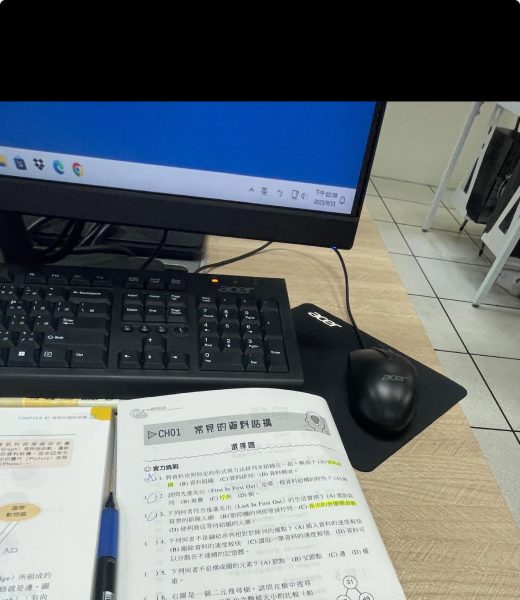 In Asia, the dress code and student-teacher relationships are also firmer, with rigid uniform procedures and clear-cut boundaries within relationships. In Chinese and Taiwanese schools, students are required to wear uniforms—ranging from summer shorts and T-shirts to winter pants and sweatshirts. There are also strict rules on hair and accessories, as uniformity exhibits discipline and regulation.
Teachers are often held in high regard, with relationships based on cultural manners and respect. Asian students usually stand to greet their teachers and rarely address them by a title other than their formal name. Meanwhile, students at San Dimas are encouraged to build friendly relationships with their teachers, question opinions, and offer input that students in Asian countries would never be able to. “The relationships between teachers and students here are ones where you can joke around and share ideas, and sometimes it feels more like a friendship,” expresses Jin.
Compared to American academics, Asian schools are also known for their rigorous course exams and the importance placed on scoring well on international exams, which keep students on their toes. Their academics and college entry are also heavily score-based, whereas in the United States, extracurricular activities, such as sports leadership and volunteer work, play a large role. “Taiwan has two important entrance exams, which put immense pressure on us,” states sophomore Yuna Wu.
More recently, these two systems have adopted certain characteristics from each other to create the best possible form of education. In the end, both prepare students to become successful learners and leaders who are fit for their own societies, and understanding the distinctions between them allows us to value cultural and academic differences.