Crazy hair, eyeliner, and band tees—alternative subcultures are more than just a look. Emerging in the late 70s and early 80s, the alternative culture has grown through music, fashion, and rebellion. What began as a reaction to mainstream norms has evolved into communities built on creativity. Today, these subcultures continue to give people a space to express their identities alongside thousands of others.
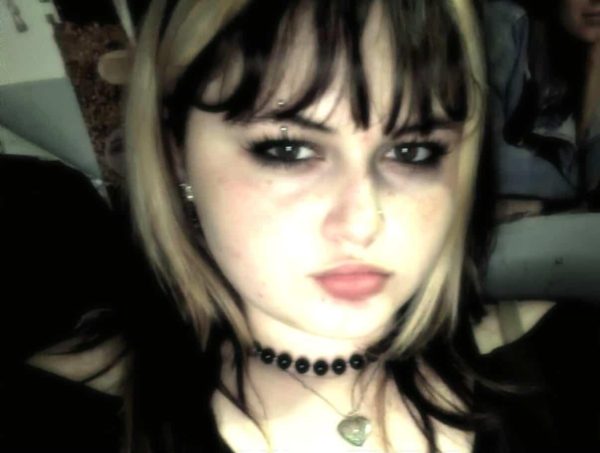
“My dad introduced me to the music when I was probably eight or nine,” Freshman Gianna Mijares said. “Punk goes against normies, I’ve always been a weird kid, so it kind of helped me find my people.” Punk is a very political subculture that focuses on getting messages out through music and being less fashion-driven. “Understanding the history is so important because a lot of protests back then were punk things,” Mijares said. “There are books about punk being involved in famous protests and the queer rights movement. If you don’t understand that punks have helped so much, then you probably shouldn’t be a punk.”
At concerts, people wear kilts, bandanas, sunglasses, bondage belts, vests, shorts, and creepers—depending on gender. Music consists of fast, arrhythmic beats, where chanting words in a certain way is more common than singing. Popular bands like Descendents and The Addicts are recognized as punk rock, but punk is rare to find nowadays. “You gotta’ toughen up. You have to be driven about politics, driven about anti-fascism, driven about music, to be a true punk,” Mijares stated.
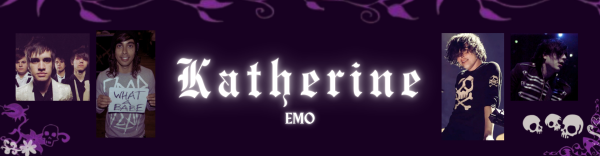
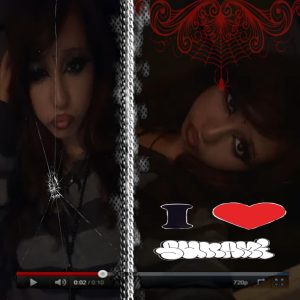
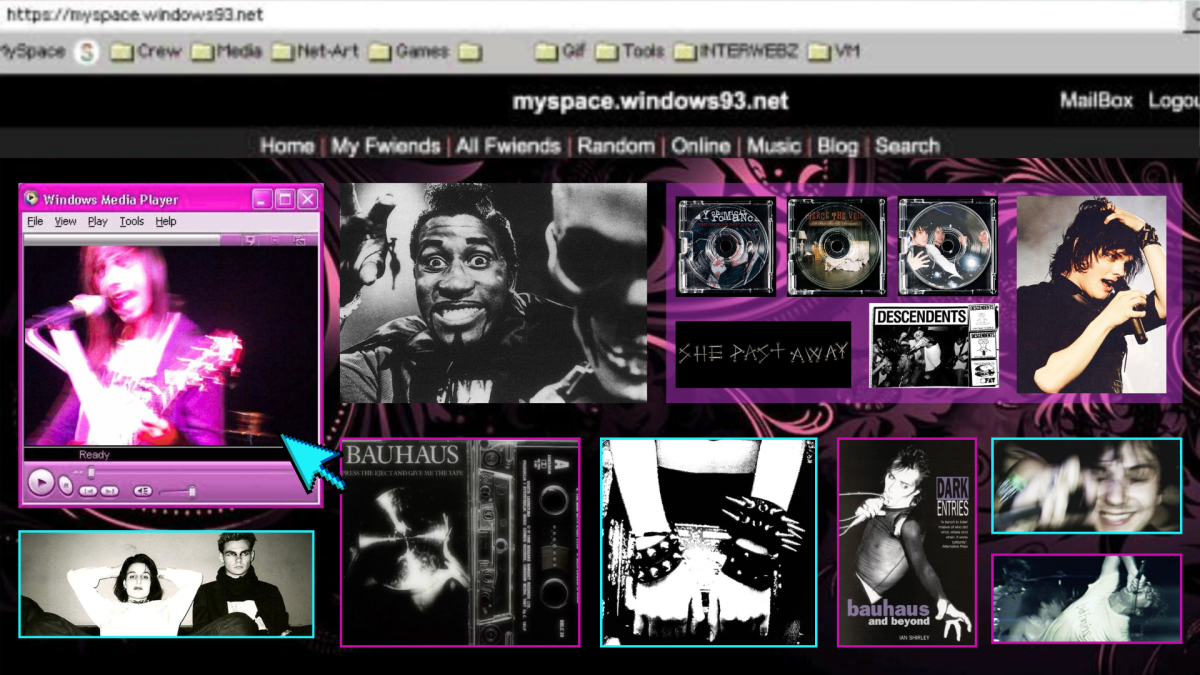
Having an exaggerated side part and eyeliner would be considered emo in the 2000s; during this era, the subculture began to boom. Freshman Katherine Higgins defines her place in the emo scene as emo slash, post hardcore, and a 2006 Myspace vibe. Described as a “backbone” to the alternative scene—besides punk—due to its popularity to outsiders, Higgins says, “Emo is definitely the main thing that most people on the outside go to when they see an alternative person.” Although it contributed to the dark side of subcultures, it is very different than others. “Emo music is more vocals and not as screamy; they have more meaning in their lyrics, using a lot of emotion and personal experiences, “Higgins said. This welcoming space lets her express herself in a way that feels comfortable, affecting who she is. “My brother would take me out on drives and blast My Chemical Romance or Panic at the Disco, and it was the best time ever,” Higgins explains. “I discovered new bands, met a group of people, and got introduced into a whole new world of alternative style.”
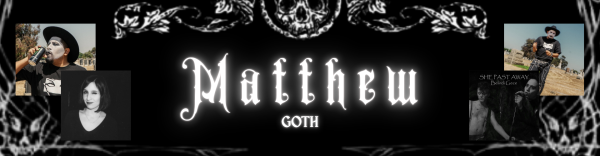
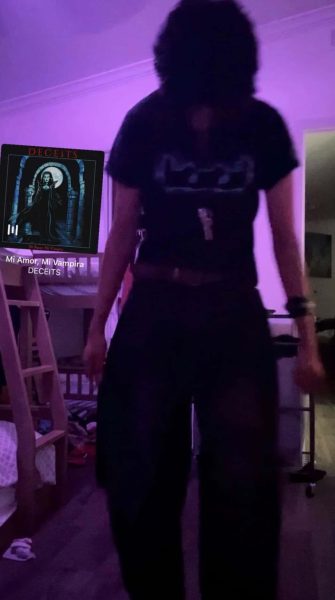
For Senior Matthew Sheppard, the gothic subculture was a part of him without even realizing it. “One day, I heard some old heads talking about music, and all I heard was Sadness is Rebellion,” Sheppard said. “Later, I listened to it, and I was like, whoa, I’ve never heard this genre before, and I loved it.” Popular bands like Bauhaus, The Cure, Christian Death, and many others have shaped the community’s music and are portrayed as poetic. “It’s dark, expressive, but not too expressive. It’s softer, calmer, and has love and death, like one with life,” Sheppard explains. Screamin’ Jay Hawkins is said to have brought the dark wave/pop genre with skulls and darkness, as Sheppard details, “He made a song, I Put a Spell on You, and Nina Simone did a cover of that song, but he was the very first person ever in the 50s to start that dark vibe.” Goth also values the idea of anti-fascism and the concept of being pro-nice: “Everyone should be respected; that’s really the goth culture, just be nice,” Sheppard concludes.
There are countless subcultures and micro-subcultures, each with its own identity and meaning. What matters most is remembering that when you label someone from the alternative scene as “emo” without understanding it, it is still, in many ways, a compliment.