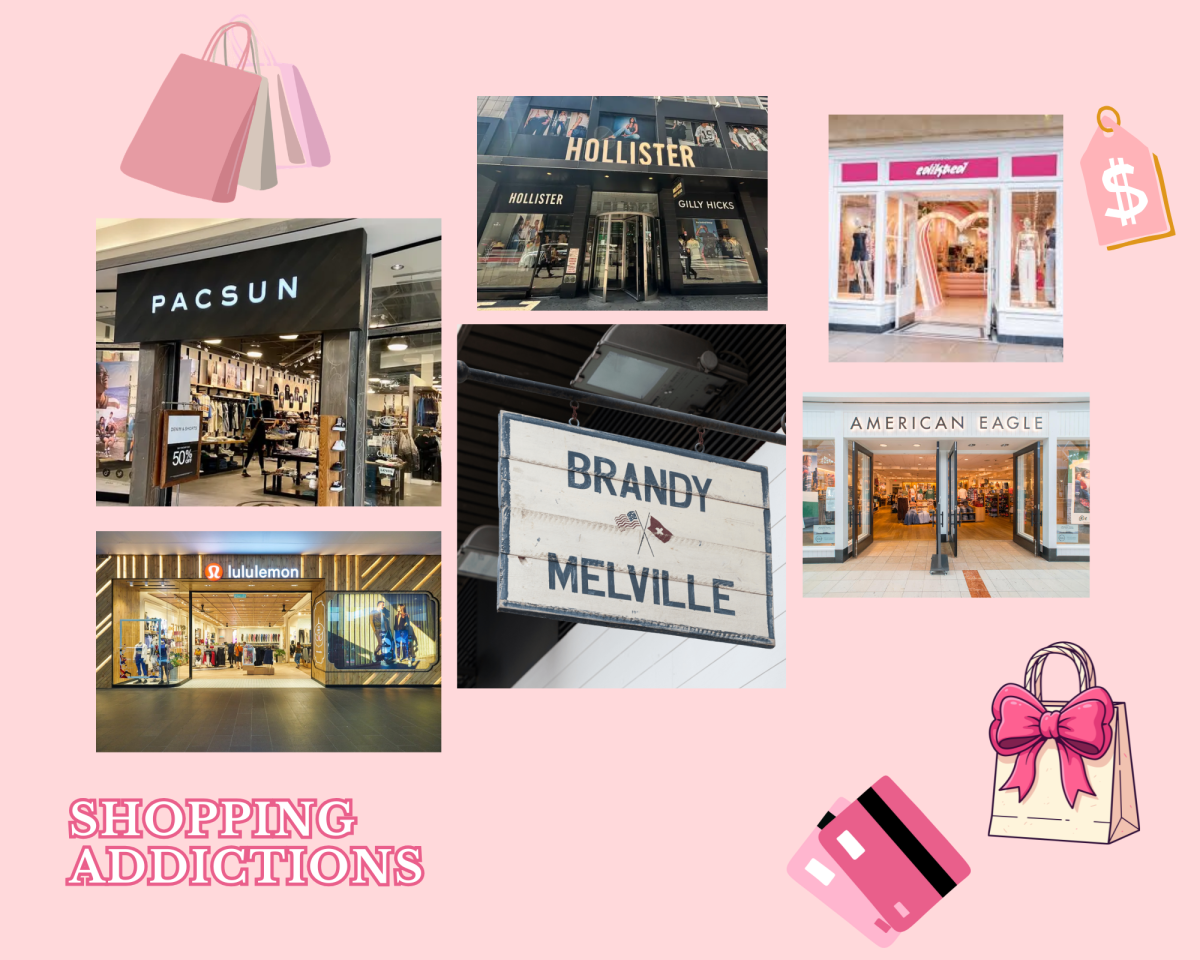
What begins as casual shopping for clothes, food, and accessories can quickly turn into an uncontrollable addiction. These days, shopping has become more accessible through online and apps. Compulsive spending is affecting young people and students more than they realize.
A shopping addiction, also known as a compulsive spender, is when an individual feels the uncontrollable need to spend money on unnecessary items. Many students shop online because of stress, peer pressure, or boredom. This is becoming increasingly common among young students due to two main reasons: influencers and social media.
Influencers promote products through videos and posts to make it feel like these items are necessary and trendy. Students can relate to influencers, which is why they trust their recommendations. Most students say that TikTok and Instagram are the main apps that influence them to spend. The content influencers make is easier to watch than a traditional ad because it doesn’t feel like an ad. Sponsored content is blended into normal videos, so students may not realize that they are being marketed to.
Constant shopping is normalized through hauls, “get ready with me” videos, and shopping vlogs. When students are repeadatly seeing this type of content, spending money starts to feel like a regular part of your daily routine. Trends change very quickly which makes it seem necessary to keep up with especially if appearence plays a major role in your life. “I bought a really expensive lipgloss that was trending and ended up losing it a week later so it wasn’t really worth the money” Senior Julie said.
Seeing peers and influeners constantly spending may influence you as well, since everyone appears to be doing it. This also leads to small purchases that feel harmless. “I like shopping when things are on sale because it makes me feel like i’m saving more money,” Senior Audree said. When you see something that has a low cost you may buy it just because of the low price, but over time if you keep doing that it adds up and could increase your spending habits.
“I shop when I’m more upset beause it gives me the feeling of retail therapy and it gives me seomthing to look foward to in a few days,” Senior Brianna said. Spending has emotional effects as well. Feeling insecure, sad, or bored can make you feel the urge to by something new which can temporarily make you feel excited/satissfied. Even so, when the purchase is made aftwerward you may feel guilt or regret. For students who already feel insecure and compare themseleves to others on social media, shopping can be a way for them to feel comforted by those negative emotions.